
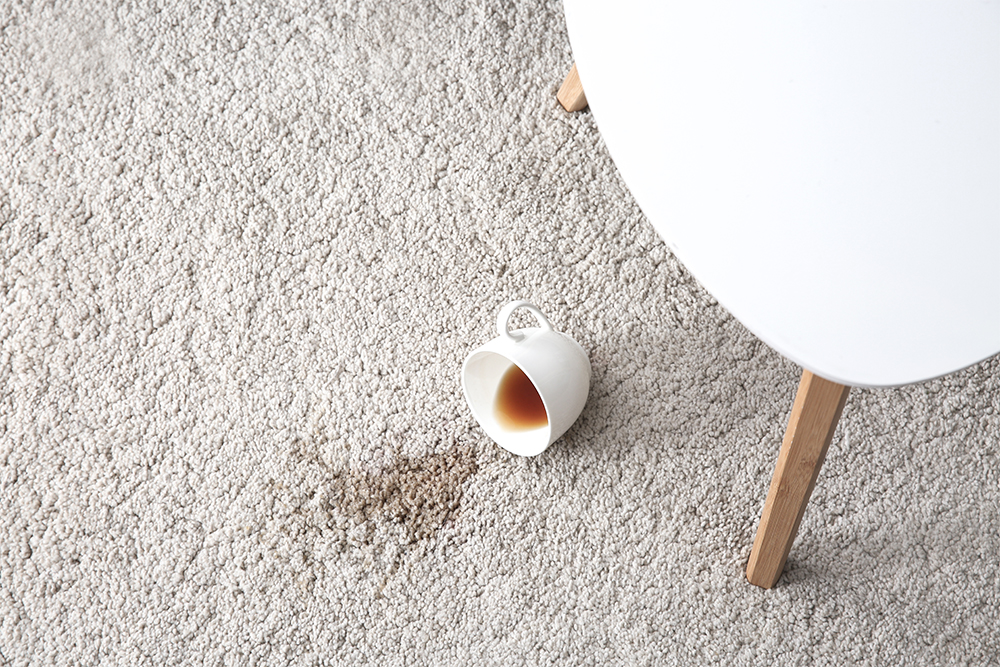
How to Remove Tea Stains from Carpet in London Homes
Tea is part of everyday life in London, but even a small spill can quickly turn into a stubborn carpet stain. Whether you are a tenant trying to secure your deposit, a landlord preparing a property, or a family managing a busy home, knowing how to remove tea stains from carpet is essential.
In London’s competitive rental market, even minor stains can result in financial deductions, especially when carpets are heavily used. Many tenants only realise this at the end of their tenancy, when it’s already too late to fix deeper damage.
Why Tea Stains Matter in London Properties?
Carpets are one of the most closely inspected areas during checkout. Tea stains stand out due to their colour and how quickly they set into fibers.
This matters because:
- Deposits are often reduced due to visible stains
- Professional cleaning costs in London are high
- Poor carpet condition affects property value
According to official UK guidance: cleanliness must match the original condition, which is why many tenants follow a full end of tenancy cleaning checklist before moving out to avoid disputes.
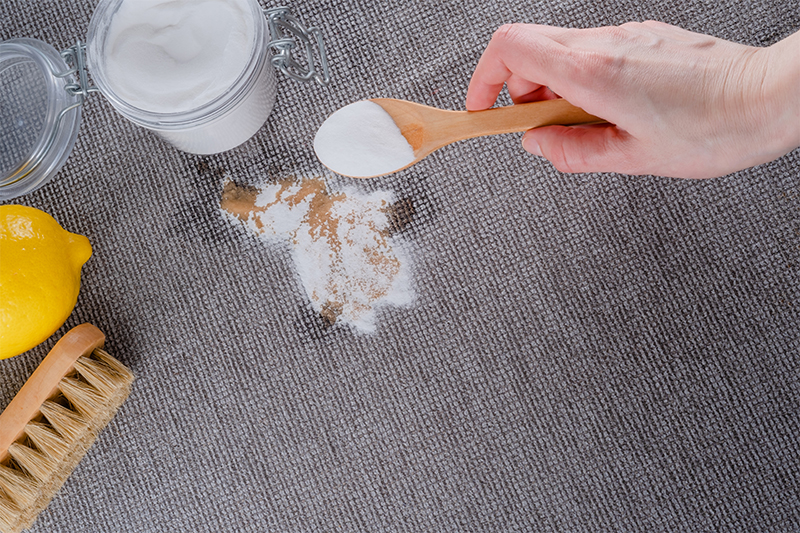
What Makes Tea Stains Difficult to Remove
Tea contains tannins that bind to carpet fibers, making stains harder to remove over time. The longer the stain sits, the deeper it penetrates.
In London homes, this becomes even more challenging due to environmental factors. High foot traffic, for example, presses the stain deeper into the carpet, which is why understanding how to maintain carpets in high-traffic areas becomes essential for long-term care.
Other contributing factors include:
- Delayed cleaning due to busy schedules
- Synthetic carpet materials trapping residue
And mostly Repeated spills in the same area
How to Remove Tea Stains from Carpet (Step-by-Step)
Removing tea stains requires a structured approach. Acting quickly gives the best results, but even older stains can be improved with the right method.
- Blot the stain immediately using a clean cloth
- Apply a mild detergent solution
- Use vinegar to break down tannins
- Avoid scrubbing aggressively
- Rinse and allow proper drying
If you are unsure which method works best, it helps to understand the difference between steam cleaning and dry carpet cleaning, as different techniques produce different results depending on the stain and fabric.
South West Cleaners provides professional Carpet cleaning across London, including professional End of Tenancy Cleaning.
When DIY Methods Are Not Enough
Some stains go beyond surface level and require professional treatment. This is especially true for older stains or carpets that haven’t been cleaned regularly.
In these situations, hiring a professional carpet cleaning service ensures deeper extraction and better results.
This is particularly important at the end of a tenancy, when standards are highest and many tenants rely on professional services instead of attempting last-minute cleaning.
London-Specific Carpet Cleaning Challenges
London properties present unique cleaning challenges that many tenants underestimate. Limited space and ventilation make it harder for carpets to dry properly, while pollution contributes to faster dirt buildup.
Key challenges include:
- Pollution embedding into fibers
- Limited airflow in flats
- Frequent use of shared spaces
- Hard water affecting cleaning results
Because of this, many experts recommend knowing how often carpets should be professionally cleaned in London homes, especially in high-use environments.
Financial Impact for Tenants and Landlords
Ignoring tea stains can lead to significant financial consequences.
For Tenants
Tenants may face:
- £80–£150 cleaning costs
- Deposit deductions
- Disputes during checkout
For Landlords
Landlords often deal with:
- Carpet replacement costs
- Delays between tenancies
- Reduced property appeal
This is why preventative cleaning and early action are always more cost-effective than reactive solutions.

Preventing Tea Stains on Carpets
Prevention is the easiest way to avoid long-term damage. Simple habits can significantly reduce the risk of staining.
- Use rugs in high-risk areas
- Avoid placing drinks directly on carpets
- Clean spills immediately
- Schedule regular deep cleaning
Combining these habits with occasional professional carpet cleaning service helps maintain both cleanliness and property value over time.
Frequently Asked Questions
Q. What is the fastest way to remove tea stains from carpet?
Blot immediately and treat with a mild cleaning solution to prevent the stain from setting.
Q. Can old tea stains be removed completely?
Yes, but they often require repeated treatment or professional cleaning.
Q. Will tea stains affect my deposit in London?
Yes, visible stains are a common reason for deductions.
Q. How often should carpets be professionally cleaned?
At least once a year, or more often in high-traffic households.
Conclusion
Understanding how to remove tea stains from carpet is essential for maintaining a clean and presentable home in London. From protecting your deposit to extending the life of your carpet, proper care makes a significant difference.
Using the right techniques—and knowing when to rely on a professional carpet cleaning service—ensures your carpets remain in top condition and ready for inspection at any time.
For the best results, many tenants and landlords in London trust South West Cleaners for reliable, high-quality carpet care that meets strict end-of-tenancy standards.
Useful Carpet Cleaning Tips

Can a Landlord Charge for Professional Cleaning in the UK? London Guide
A landlord cannot automatically charge a tenant for professional cleaning simply because it is written in a tenancy agreement. However, a landlord can claim cleaning costs if the property is...

End of Tenancy Clean in London – What You Need to Know
What Is End of Tenancy Cleaning? End of tenancy cleaning is a deep, professional cleaning service performed when a tenant moves out of a rental property. It goes beyond regular cleaning and...

Is Professional Carpet Cleaning Required at End of Tenancy in London?
Moving out of a rental property in London is stressful enough without worrying about deposit deductions. One of the most common disputes between tenants and landlords concerns carpets....