
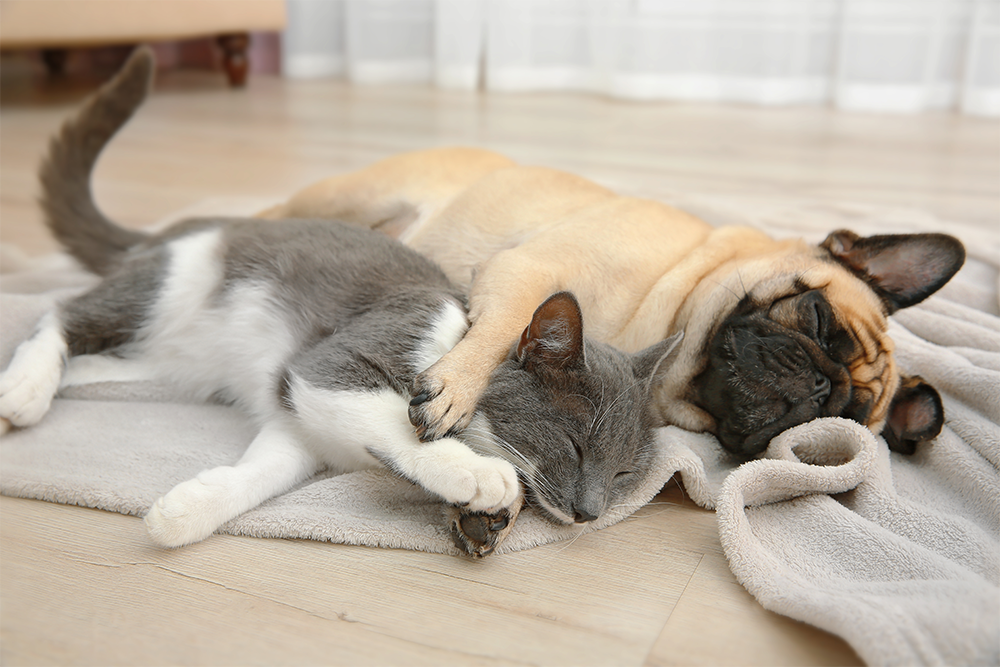
To remove pet stains from carpets safely, avoid harsh chemicals and excessive scrubbing, as these can damage carpet fibres. Blot the stain, use a suitable carpet-safe treatment, and allow the area to dry properly. For old stains, strong odours, or repeated accidents, professional carpet cleaning provides a deeper solution.
How to Remove Pet Stains from Carpets Without Damaging the Fibres
Pets are an important part of many London households, but accidents can quickly become a carpet cleaning challenge. Dog urine, cat stains, muddy paws, and pet-related odours can affect the appearance and freshness of carpets, especially in busy family homes.
Many homeowners try to remove pet stains using household products, strong detergents, or aggressive scrubbing. However, the wrong approach can make the problem worse by pushing stains deeper into carpet fibres or causing permanent discolouration.
Understanding how to treat pet stains correctly helps protect your carpet and improve the chances of successful removal.
For homeowners dealing with older stains or persistent smells, professional carpet cleaning can provide a more effective solution by removing contamination that has reached deeper layers of the carpet.
Why Pet Stains Can Damage Carpet Fibres
Pet stains are different from everyday spills because they often contain organic materials that can penetrate below the surface.
When a pet accident happens, moisture can move through the carpet fibres and reach the backing underneath. If not treated correctly, this can lead to:
- Persistent odours
- Dark or yellow marks
- Bacteria build-up
- Damaged carpet fibres
- Repeated staining problems
Carpet fibres are designed to withstand normal use, but incorrect cleaning methods can weaken them. Using very strong chemicals, excessive heat, or aggressive brushing may affect the texture and appearance of the carpet.
This is why choosing the right cleaning method is important, especially for expensive carpets or rental properties where damage may create additional costs.
Dog Stains vs Cat Stains: What Is the Difference?
Although both dogs and cats can cause carpet stains, the cleaning challenges are slightly different.
Dog Urine Stains
Dog urine is one of the most common carpet problems for pet owners. Fresh accidents are usually easier to treat, but older stains can become more difficult because urine can soak into the carpet layers.
Common problems include:
- Strong smells
- Visible marks
- Repeated accidents in the same area
- Damage caused by untreated moisture
Acting quickly gives the best chance of preventing long-term problems.
Cat Urine Stains
Cat urine can be particularly difficult because the odour can remain even when the visible stain has disappeared. Cat urine contains concentrated compounds that may continue producing unpleasant smells if they are not properly treated.
Common signs include:
- Strong ammonia-like odours
- Reappearing smells after cleaning
- Stains around corners, furniture, or sleeping areas
For cat owners, surface cleaning is often not enough because the source of the odour may be deeper within the carpet.

Common Mistakes That Damage Carpets When Removing Pet Stains
Many homeowners accidentally make pet stains worse by using methods that are not suitable for carpet materials.
Some common mistakes include:
Scrubbing the stain aggressively
Rubbing can push the stain deeper into the fibres and spread contamination into a larger area.
Using too much water
Over-wetting carpets can create drying problems and may increase the risk of unpleasant smells returning.
Using unsuitable cleaning products
Some household products are too strong for certain carpet types and may cause fading or fibre damage.
Covering the smell instead of treating the cause
Air fresheners may temporarily hide odours but do not remove the source of the problem.
London Homes and Pet Carpet Cleaning Challenges
Pet stains are a common issue for London homeowners, particularly in properties where carpets receive heavy daily use.
Many London homes have:
- Smaller living areas where carpets experience more traffic
- Apartments with limited ventilation
- Rental properties with strict inspection standardsp
- Busy family environments with children and pets
For tenants, pet stains can become a concern before moving out, especially if landlords or letting agents identify carpet damage or unpleasant odours during inspections.
Professional carpet cleaning can help improve the condition of carpets and support a smoother property handover. For homeowners, regular cleaning helps maintain a fresher environment and reduces the build-up of pet hair, dirt, and allergens.
How to Treat Fresh Pet Stains Safely
When a pet accident happens, the first steps are important.
The recommended approach is:
- Remove any solid waste carefully
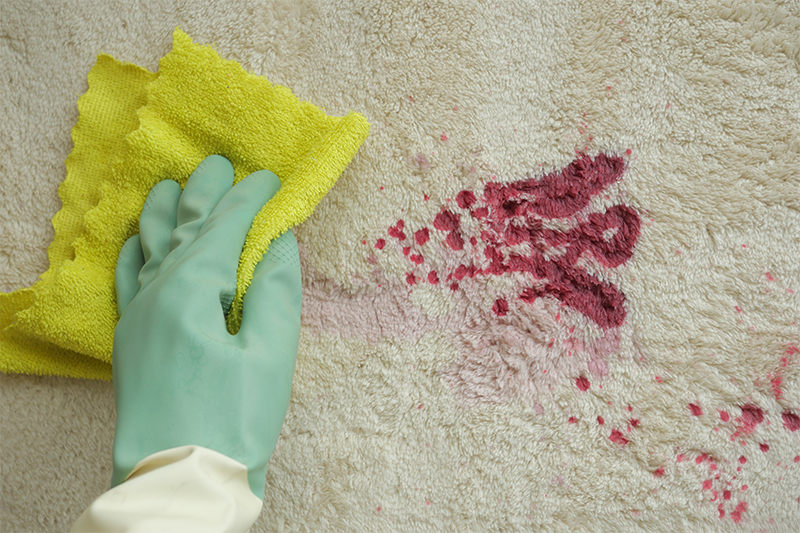
- Blot excess moisture with a clean cloth
- Avoid rubbing the affected area
- Use a carpet-safe cleaning solution
- Allow the carpet to dry completely
The aim is to remove as much contamination as possible without damaging the carpet structure.
However, fresh stains are only part of the problem. Older stains often require professional equipment because the residue may already be below the carpet surface.
South West Cleaners provides professional Carpet and End of Tenancy cleaning services across London
Why Professional Carpet Cleaning Is Often Needed for Pet Stains
While quick action can help with fresh accidents, many pet stains require more than household cleaning methods. The reason is that carpets are made of multiple layers, and liquids can move beyond the visible surface.A stain may appear removed after cleaning, but hidden residue can remain underneath. This is especially common with older dog urine marks or repeated cat accidents in the same area.
Professional carpet cleaning uses specialist equipment designed to extract dirt, moisture, and residue from deeper within the carpet.
Unlike basic cleaning methods, professional treatment focuses on improving the overall condition of the carpet rather than only making the surface look cleaner.
For London homeowners, this can be particularly valuable when carpets have experienced years of pet use, heavy foot traffic, or multiple accidents.
How Professionals Protect Carpet Fibres During Cleaning
One of the biggest risks with DIY pet stain removal is damaging the carpet while trying to remove the stain.
Professional cleaners consider factors such as:
- Carpet material and fibre type
- Age and condition of the carpet
- Type of pet stain
- Level of odour contamination
- Previous cleaning attempts
Different carpets require different approaches. A treatment that works on one carpet may not be suitable for another.
Professional carpet cleaning methods help protect fibres by using controlled cleaning solutions, suitable pressure levels, and proper extraction techniques.
This reduces the risk of:
- Fibre damage
- Colour fading
- Excessive moisture
- Residue build-up
- Carpet texture changes
Can Professional Cleaning Remove Pet Odours Completely?
Pet odours can be one of the most frustrating problems for homeowners because they often return after cleaning.
The reason is that smell-causing compounds may remain below the carpet surface. This is especially common with cat urine, where odours can continue even after the visible stain has disappeared.
Professional cleaning can significantly reduce pet smells by targeting the source rather than simply covering the odour.
The final result depends on:
- How old the stain is
- How deeply it has penetrated
- The condition of the carpet and underlay
- Previous treatments used
In severe cases, additional specialist treatment may be recommended to achieve the best possible outcome.
When DIY Pet Stain Removal Is Not Enough
DIY cleaning can be useful for small fresh accidents, but professional help is often the better option when:
- The stain has been present for a long time
- The smell returns after cleaning
- Multiple areas are affected
- The carpet has visible discolouration
- Previous products have not worked
Trying multiple household solutions can sometimes make future professional treatment more difficult because chemical residues may remain in the fibres.
A professional assessment helps determine whether the carpet can be restored or whether further action may be required.
Carpet Care Tips for Homes With Dogs and Cats
Regular maintenance can reduce the impact of pet-related carpet problems and help carpets stay cleaner for longer.
Useful habits include:
- Vacuum carpets regularly to remove pet hair and dirt
- Clean small accidents as soon as possible
- Avoid harsh chemicals that may damage fibres
- Use suitable carpet-safe products
- Arrange professional cleaning when carpets become heavily used
Homes with pets often benefit from professional carpet cleaning more frequently because carpets collect additional hair, dust, and allergens.
Professional Carpet Cleaning for London Homes
For many London families, carpets are one of the most used surfaces in the home. Living rooms, hallways, and bedrooms can quickly collect dirt from outdoor areas, pets, and everyday activities.
Professional carpet cleaning can help improve:
- Carpet appearance
- Indoor freshness
- Odour control
- Carpet lifespan
For tenants, professional cleaning can also be useful before moving out, particularly when pets have caused stains or smells that may be noticed during a property inspection.
For homeowners, regular professional cleaning helps protect the investment made in quality carpets.
FAQ – Professional Carpet Cleaning London
Q. Can I remove pet stains from carpets without damaging them?
Yes, fresh pet stains can often be treated safely using the correct cleaning method. However, harsh chemicals, excessive scrubbing, or too much water can damage carpet fibres. For older stains and strong odours, professional carpet cleaning is usually the safest option.
Q. Is cat urine harder to remove from carpets than dog urine?
Yes, cat urine can often be more difficult because it contains concentrated compounds that create persistent odours. Professional carpet cleaning uses specialist treatments to target these residues and improve the freshness of affected carpets.
Q. Does professional carpet cleaning remove old pet smells?
Professional carpet cleaning can significantly reduce old pet smells by removing trapped dirt, bacteria, and residue from carpet fibres. However, the final result depends on how deeply the contamination has affected the carpet and whether the underlay has been damaged.
Q. How often should carpets be cleaned if you have pets?
Homes with pets usually benefit from professional carpet cleaning every 6–12 months, depending on the number of pets, household activity, and carpet condition. Regular cleaning helps reduce odours, allergens, and the build-up of dirt trapped inside carpet fibres.
Final Conclusion
Pet stains are one of the most common carpet problems for London homeowners, but the right cleaning approach can make a significant difference.
Removing pet stains without damaging carpet fibres requires careful treatment, suitable products, and an understanding of how different carpets respond to cleaning.
While small fresh accidents can often be managed at home, older stains, dog urine marks, and cat odours usually require professional equipment for the best results.
Professional carpet cleaning helps restore freshness, protect your carpets, and create a cleaner environment for both families and pets.
Useful Professional Cleaning Tips
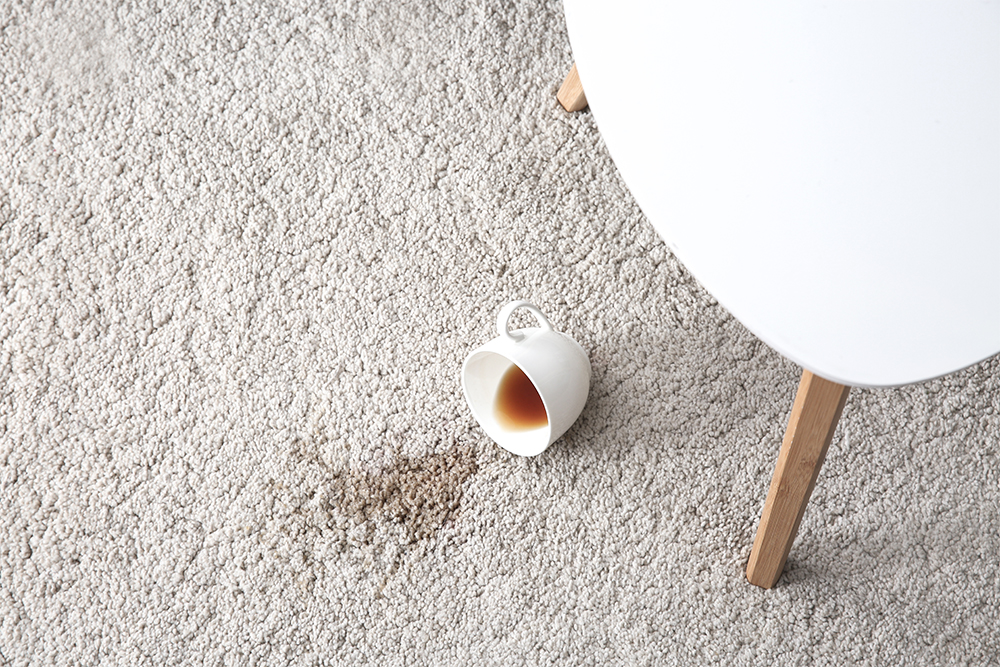
How to Remove Tea Stains from Carpet
How to Remove Tea Stains from Carpet in London Homes Tea is part of everyday life in London, but even a small spill can quickly turn into a stubborn carpet stain. Whether you are a tenant...

Pros and Cons of Getting a Viscose Rug in London
Considering a Viscose Rug for Your Home? Viscose rugs are often marketed as a luxurious, affordable alternative to silk. They look elegant, feel soft underfoot and can instantly elevate a...

How Much Does Steam Cleaning Cost in the UK
Steam cleaning is one of the most effective professional cleaning methods used for carpets, upholstery and deep sanitation of household surfaces. For many homeowners, tenants and landlords...