

Getting your tenancy deposit back is not only about removing obvious dirt. At the end of a tenancy, landlords and letting agents may compare the property’s condition with the check-in inventory, including kitchens, bathrooms, floors, carpets, windows and appliances. Avoiding common cleaning mistakes can make the difference between getting your full deposit back and facing a dispute over cleaning deductions.
Why Cleaning Matters When You Move Out
Cleaning is one of the areas that can lead to disagreements between tenants and landlords. The important point is that tenants are generally expected to return the property to the same standard of cleanliness as when they moved in, rather than making the property look brand new.
This means that a property which was professionally cleaned before the tenancy may require a much higher standard of cleaning than a property that was only cleaned to a basic domestic standard.
Your check-in inventory is therefore extremely important. Before you start cleaning, look back at the original inventory and photographs if you have them. They can show you what condition the property was in at the beginning of the tenancy.
In England, tenancy deposits are normally protected through an approved deposit protection scheme, and disputes can be referred to the scheme’s free dispute resolution service if the tenant and landlord cannot agree.
The Most Common Cleaning Mistakes Tenants Make
1. Cleaning What You Can See and Ignoring the Rest
One of the biggest mistakes is concentrating on obvious areas such as floors, worktops and furniture while ignoring less visible surfaces.
A quick final clean might make a property look tidy, but inspection can reveal dust and dirt in places that are easy to overlook.
Common examples include:
- Dust on skirting boards and door frames
- Grease around kitchen extractor fans
- Dirt behind and underneath appliances
- Marks around light switches and doors
- Dust inside cupboards and drawers
- Build-up around taps and shower screens
- Dust on radiators
- Cobwebs around ceilings and corners
These details become particularly noticeable when the property is empty and there is no furniture or personal belongings to distract from them.
2. Leaving the Oven Until the Last Minute
The oven is one of the most frequently overlooked areas during an end of tenancy clean.
Cooking over several months or years can leave behind layers of grease, burnt-on food and carbon deposits. A quick spray and wipe on moving day is rarely enough to remove heavy build-up.
Pay particular attention to the:
- Oven interior
- Door glass
- Racks and trays
- Fan area
- Hob and controls
- Extractor hood and filters
If the oven has not been cleaned for a long time, trying to deal with it alongside the rest of the property on moving day can quickly become unrealistic. For tenants who want to know what`s the cost, our guide on Professional Oven Cleaning Cost in London.

3. Forgetting Carpets and Upholstery
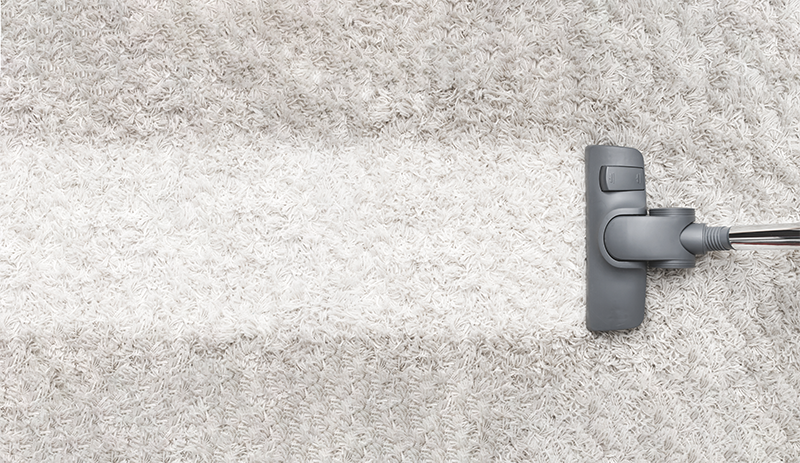
Vacuuming the carpet is not necessarily the same as restoring it to its original condition.
Heavy traffic areas can contain accumulated dirt, while stains, pet hair and odours can remain after ordinary vacuuming. Upholstered furniture can have similar problems.
This is particularly important if the property was supplied with carpets or furniture that were visibly clean at the beginning of the tenancy.
If the carpet has accumulated significant staining or ground-in dirt, professional carpet cleaning in London may be more appropriate than trying several household products without knowing how they will affect the fibres.
4. Ignoring the Kitchen Cabinets and Drawers
Tenants often clean kitchen worktops and appliances but forget the inside of cupboards and drawers.
Grease, crumbs, dust and food residue can accumulate during a tenancy, particularly around handles and the bottom of drawers.
Open every cupboard and drawer before leaving and check:
- Corners and edges
- Handles
- Drawer runners
- Shelves
- Areas underneath removable liners
- Grease around the cooker and extractor
A kitchen can look clean from the outside while still failing a detailed end of tenancy inspection.
5. Treating the Bathroom as a Quick Spray-and-Wipe Job
Bathrooms can require more attention than simply cleaning the toilet and sink.
Limescale, soap residue and water marks can build up around taps, shower screens, tiles and fittings. Mould or discolouration around silicone seals can also become noticeable.
The aim should be to restore the bathroom to the standard documented at the beginning of the tenancy rather than simply making it smell clean.
Pay special attention to shower screens, taps, grout, toilet areas, extractor vents and hard-to-reach corners.
6. Forgetting Windows and Glass
Windows are another area that tenants sometimes overlook, particularly when they have spent most of their time cleaning inside the property.
Fingerprints, dust, grease and marks can remain on internal glass, frames and sills.
You may not necessarily need a specialist window cleaning service for every tenancy, but internal glass should be checked carefully if it was clean when you moved in.
7. Cleaning Without Checking the Inventory
This is perhaps the most avoidable mistake.
Rather than deciding what “clean enough” means yourself, compare the property with the check-in report.
If the inventory photographs show a spotless oven, clean carpets and dust-free skirting boards, those areas deserve particular attention when you move out.
Take your own dated photographs after cleaning. They can provide useful evidence if there is later a disagreement about the property’s condition.
What Counts as Cleaning and What Counts as Wear and Tear?
Not every mark in a rental property can automatically be treated as a cleaning issue.
Normal wear and tear is different from damage. For example, gradual deterioration caused by ordinary use is generally not the same as excessive damage that requires repair.
This distinction matters because tenants should not assume that they have to make every part of the property look completely new.
The practical question is usually whether the property’s condition has changed beyond what would reasonably be expected from normal occupation.
For cleaning, however, leaving behind significant dirt, grease, stains or rubbish is much easier to distinguish from normal wear.
South West Cleaners provides professional Carpet and Upholstery cleaning services across London
When DIY Cleaning Is Enough
You do not automatically need to hire a professional cleaning company when moving out.
DIY cleaning can work well when:
- The property has been maintained regularly
- There are no major stains or heavy grease deposits
- The carpets are in reasonable condition
- The oven has been cleaned regularly
- You have enough time before handing back the keys
- You can work through every room systematically
The problem is usually not whether a tenant can clean. It is whether they have enough time and the right equipment to achieve the required standard across the entire property.
When Professional End of Tenancy Cleaning Makes More Sense
Professional end of tenancy cleaning becomes particularly useful when the property needs a detailed clean throughout or when there is a short period between moving out and the final inspection.
A professional team can work through the property systematically rather than focusing only on the areas that are immediately visible.
This can be especially helpful for larger London properties, long tenancies, homes with pets, heavily used kitchens or properties where carpets and upholstery need additional attention.
If you are moving out of a London rental, our end of tenancy cleaning service is designed around the detailed cleaning typically required before the final inspection.
For a room-by-room approach, you can also use our End of Tenancy Cleaning Checklist before handing back the keys.
A Simple Final Check Before Handing Back the Keys
Before leaving, walk through the property as though you were seeing it for the first time.
Check the areas most likely to be missed:
- Oven and extractor
- Cupboards and drawers
- Skirting boards
- Internal doors and handles
- Bathroom fittings
- Shower glass
- Floors and carpets
- Windows and sills
- Radiators
- Light switches
- Behind and underneath appliances
Then take clear photographs of the cleaned rooms and major areas. This final inspection can take less than 30 minutes but may reveal several things that were missed during the main cleaning.
What If Your Landlord Wants to Deduct Money for Cleaning?
If your landlord or letting agent proposes a cleaning deduction, do not automatically assume that the deduction is correct or incorrect.
First, compare the check-in and check-out evidence and ask for an explanation of the proposed deduction. Keep copies of your photographs, inventory, correspondence and any cleaning receipt or invoice.
If you cannot agree, the tenancy deposit protection scheme may offer a free dispute resolution process. Both sides can provide evidence, which is why keeping records throughout the move-out process is important.
The aim should not be to make the property perfect at any cost. It is to return it in the appropriate condition and have evidence showing what that condition was.
People Also Ask
Q. Can a landlord deduct money from my deposit for cleaning?
Yes, a landlord may be able to claim reasonable costs where a property has not been returned to the required cleaning standard. The condition should be considered against the check-in evidence, and normal wear and tear should not simply be treated as cleaning or damage.
Q. Do I have to pay for professional end of tenancy cleaning?
Not automatically. The key issue is generally the required cleaning standard rather than whether you used a professional company. If the property was professionally cleaned before your tenancy, however, evidence of that condition may mean a similarly high standard is expected when you leave.
Q. What cleaning is most important when moving out?
Focus on the areas that accumulate the most dirt and are commonly checked during inspections: kitchens, ovens, bathrooms, carpets, floors, cupboards, skirting boards, windows and appliances. Compare these areas with your check-in inventory rather than relying only on a general tidy-up.
Q. How long does an end of tenancy clean take?
The time depends on the property’s size, condition and number of rooms. A small, regularly maintained flat may be manageable in several hours, while a larger or heavily used London property can require substantially more time and specialist equipment.
Final Thoughts
The best way to get your deposit back is to avoid treating end of tenancy cleaning as a quick tidy-up before moving day.
The biggest problems usually come from overlooked areas: ovens, carpets, cupboards, bathrooms, skirting boards and accumulated grease or dirt.
Start with your inventory, clean systematically, photograph the finished property and deal with problem areas before the final inspection. If the property needs a much deeper clean than you can realistically achieve yourself, professional cleaning services can save time and reduce the risk of leaving obvious cleaning issues behind.
Useful Professional End of Tenancy Cleaning Tips

End of Tenancy Clean in London – What You Need to Know
What Is End of Tenancy Cleaning? End of tenancy cleaning is a deep, professional cleaning service performed when a tenant moves out of a rental property. It goes beyond regular cleaning and...

Is Professional Carpet Cleaning Required at End of Tenancy in London?
Moving out of a rental property in London is stressful enough without worrying about deposit deductions. One of the most common disputes between tenants and landlords concerns carpets....

Do You Need Carpet Cleaning at End of Tenancy? How to Protect Your Deposit in London (2026 Guide)
Moving out of a rented property in London in 2026 can be stressful — especially when your tenancy deposit is at stake.One of the most common questions tenants ask is: “Do I need professional carpet...